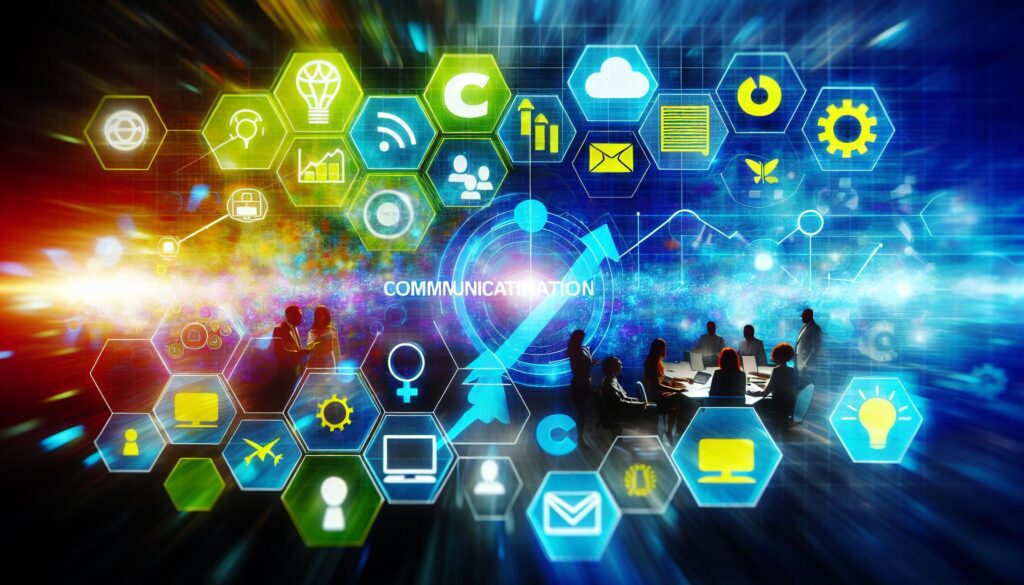
Communication and digital marketing are fundamental pillars for the success of companies in the digital age. This article explores how these two areas complement each other to create effective strategies that increase online visibility, engagement, and conversion, highlighting essential techniques and tools for professionals and businesses.
The importance of communication in the digital age.
Digital communication and marketing
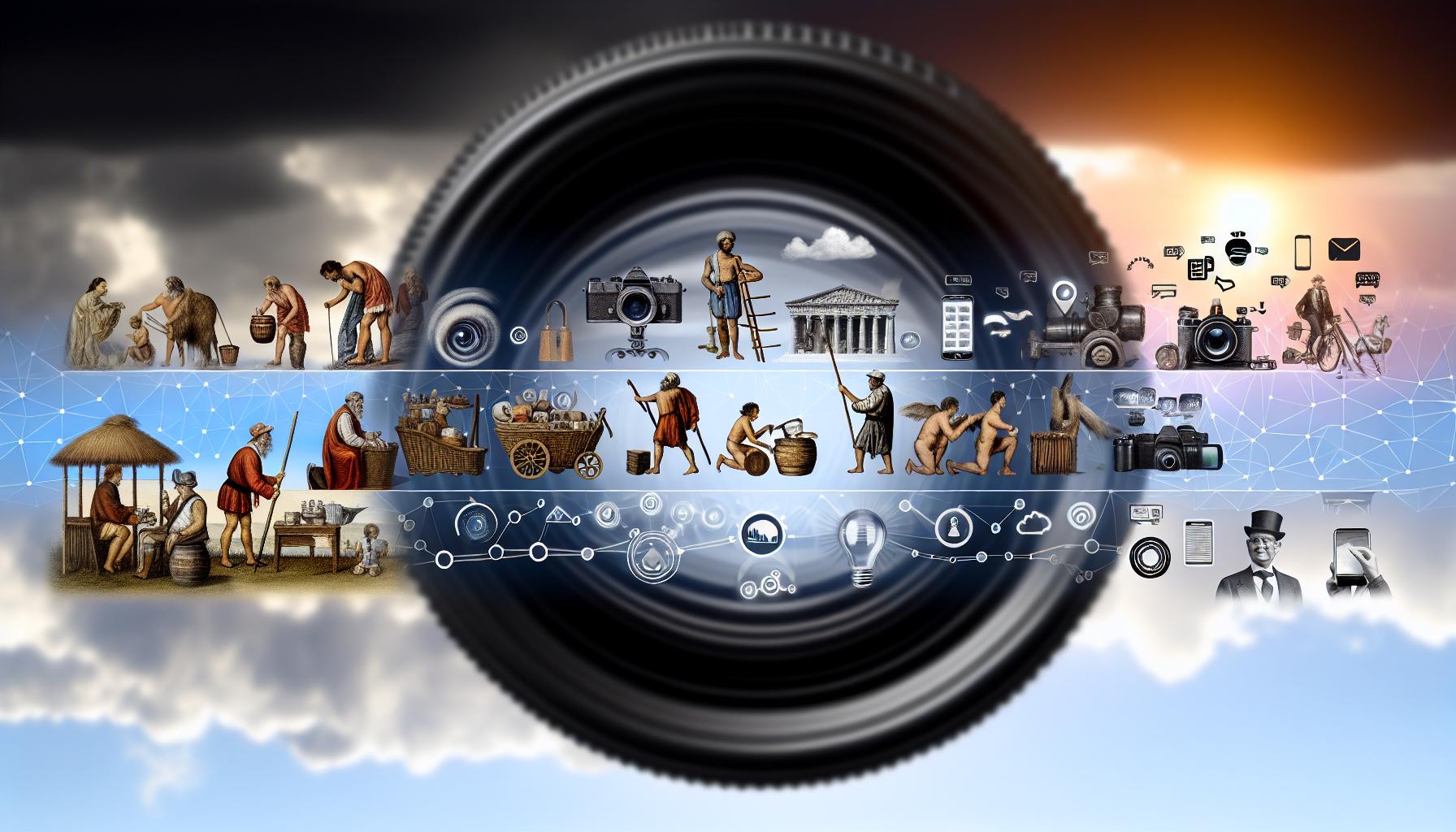
The evolution of communication has been profoundly marked by the digital revolution, which has radically transformed the way companies relate to their audiences. Previously restricted to traditional channels such as print, radio, and television, corporate communication has expanded into a dynamic, interactive, and constantly evolving digital universe. Easy access to the internet, smartphones, and digital platforms has modified not only the means but also the form, pace, and reach of organizational communication.
New technologies have broadened the range of possibilities for brands to engage with their consumers, making communication more immediate, direct, and personalized. Today, corporations have access to various digital channels—social networks, blogs, email marketing, apps, videos, podcasts, among others—that allow for audience segmentation and real-time monitoring of results. This transformation requires not only the technical skills to manage the tools, but also a strategy focused on user experience and value creation.
Among the main digital communication channels, the following stand out:
- Social media: Facebook, Instagram, LinkedIn, and TikTok are fundamental for mass interaction and generating engagement. They allow for varied content, from images and videos to live streams.
- Content marketing: Informative blogs, videos, podcasts, and e-books help educate the audience, strengthening brand authority and trust.
- Email marketing: A direct and personalized channel that, if used correctly, generates high conversion rates and maintains an active relationship.
- Messaging platforms: WhatsApp and Telegram, for example, allow for more informal and immediate contact, promoting support and customer loyalty.
- Digital ads: Google Ads, Facebook Ads, and other platforms enable precise targeting by interests, location, and behavior, optimizing advertising investment.
Digital transformation also brings with it imperatives of transparency and personalization in communication. The contemporary public values authentic companies that position themselves clearly and offer messages aligned with their needs and expectations. Transparency avoids reputational crises and strengthens trust, while personalization creates a sense of exclusivity and closeness, essential elements for solid and lasting relationships.
For example, a cosmetics company can use social media to launch a new product and simultaneously send personalized newsletters with usage tips to specific customer profiles. At the same time, it can offer customer service via WhatsApp to answer questions in real time, demonstrating agility and care in the relationship. This integrated set of actions, facilitated by digital technologies, generates greater engagement and loyalty.
Comparative table between traditional and digital communication channels.
| Aspect | Traditional Channels | Digital Channels |
|---|---|---|
| Reach | Massive, yet static and difficult to segment. | Segmented and real-time, with the possibility of large-scale scalability. |
| Interactivity | Low, one-sided communication | High, two-way communication and immediate feedback |
| Customization | Very limited case, generally generalist. | High-quality messages tailored to the consumer profile. |
| Cost | Generally high, especially for mass media. | More affordable and with better value for money. |
| Measuring results | Difficulty and lack of precision. | Precision and detailed real-time analysis. |
| Execution speed | Slower, time-consuming planning and production. | Fast, with the possibility of instant adjustments. |
All this transformation reinforces that effective communication, anchored in digital possibilities, is not just a dissemination tool, but an essential pillar for building and strengthening lasting relationships, adding value both for the company and its audiences. Thus, organizations that master these digital skills are better positioned to compete and innovate in the contemporary landscape.
Fundamentals of digital marketing and its main tools.
Digital marketing It is the set of strategies and techniques applied in the online environment to promote products, services, and brands, using internet resources and digital technologies. It initially emerged with the expansion of internet use in the last decades of the 20th century, gaining strength with the advancement of broadband, social networks, and mobile devices. Its evolution reflects the transformation of consumer behavior and the growing role of technology in decision-making and access to information.
While traditional marketing relied on media such as television, radio, and print, digital marketing has expanded the possibilities for segmentation, measurement, and interaction, allowing for more direct and personalized communication between brands and consumers. Over time, different tools and techniques have been developed to meet the specific demands of this dynamic environment.
SEO Search Engine Optimization (SEO) is the practice of optimizing websites and content to improve their organic ranking in search engines like Google. It involves technical adjustments, the production of relevant content, the appropriate use of keywords, and improving the user experience. The impact of SEO on digital marketing strategies is significant, as greater visibility in organic search results generates increased qualified traffic and, consequently, more conversion opportunities, without direct cost per click.
WITHOUT Search Engine Marketing (SEM) complements SEO by using paid search campaigns, such as Google Ads, to ensure quick and targeted exposure. While SEO takes time to show results, SEM offers greater control and agility, making it effective for promotions and product launches. This tool allows you to adjust ads based on real-time data, maximizing return on investment (ROI).
O content marketing It focuses on creating and distributing relevant materials, such as articles, videos, ebooks, and infographics, that add value to the audience and help build brand authority. Unlike a direct sales approach, this technique focuses on educating and engaging the consumer, strengthening long-term relationships and influencing purchasing decisions naturally.
Email marketing Email marketing remains a powerful tool for personalized and segmented communication. By sending direct messages to specific lists, it's possible to promote offers, nurture leads, and build customer loyalty. With the use of personalization and automation techniques, email marketing increases message relevance and conversion rates, maintaining an active dialogue with the audience.
O social media marketing It leverages platforms like Facebook, Instagram, LinkedIn, TikTok, and Twitter to build communities, promote content, and interact directly with consumers. These networks offer diverse resources, from organic posts to highly targeted paid ads. Engagement on social media strengthens brand presence, encourages recommendations, and enables real-time feedback, which is crucial for strategic adjustments.
Finally, the marketing automation It integrates systems and platforms to automatically manage actions such as email sending, audience segmentation, lead nurturing, and behavioral analysis. This tool increases campaign efficiency by allowing you to target specific actions based on behavioral triggers and collected data, optimizing resources and amplifying results.
| Tool | Objectives | Benefits |
|---|---|---|
| SEO | Increase organic visibility and qualified traffic. | Improved search engine ranking; reduced cost; increased authority. |
| WITHOUT | Generate immediate and targeted traffic via paid ads. | Control of results; speed of presentation; ease of measurement. |
| Content marketing | Engaging the audience and building brand authority. | Long-lasting relationship; increased trust; encouragement of natural conversion. |
| Email marketing | Communicate directly and promote personalized campaigns. | High conversion rate; low cost; precise targeting. |
| Social media marketing | Strengthen digital presence and engage audiences. | Real-time interaction; expanded reach; immediate feedback. |
| Marketing automation | Optimize processes and personalize actions based on data. | Operational efficiency; greater campaign accuracy; better ROI. |
Integration between communication and digital marketing to maximize results.
Integrating communication into digital marketing strategies is fundamental to creating a solid and lasting connection with the audience, increasing engagement and fostering loyalty. Effective communication is not limited to transmitting information, but must involve the consumer in an emotional and personalized way, building relationships that go beyond simply showcasing the brand or product.
One of the pillars of this integration is the use of storytelling. Telling relevant and engaging stories helps to humanize the brand, making it easier for the audience to identify with its values and purposes. Through storytelling, campaigns cease to be merely informative and become crucial in the process of creating bonds, generating positive memories that influence future purchasing decisions. For storytelling to be effective, it is essential to understand the characteristics of the target audience, selecting narratives that resonate with their experiences, challenges, and aspirations.
Another essential aspect is adopting language appropriate to the profile of each segment. The language should reflect the culture, behaviors, and preferences of the audience, using terms, tones, and formats that facilitate understanding and create identification. Campaigns that speak the consumer's language have a greater capacity to generate engagement and, consequently, better results in metrics such as clicks, shares, and conversions.
Segmentation, therefore, is a strategic practice for more effective campaigns. Dividing the audience into specific groups, based on demographic, behavioral, geographic, and psychographic data, allows for adapting messages and communication channels according to the particularities of each segment. This avoids wasting resources and maximizes the impact of the campaign, as the communication will be more relevant to each recipient.
To structure this integration between communication and digital marketing, it is recommended to follow clear processes, such as:
– Detailed analysis of the target audience's profile and needs to define precise personas.
– Developing narratives aligned with the values and pain points of these personas, using storytelling techniques.
– Choosing the right language and communication channels for each segment.
– Creation and distribution of personalized content that encourages dialogue and interaction.
– Implementation of tools for collecting and monitoring data and feedback in real time.
Continuous adjustments to strategies, based on performance analyses and audience feedback.
The importance of data analysis and feedback cannot be underestimated. Metrics from digital platforms (such as social media engagement, email open rates, and website behavior) provide valuable insights into what is working and what needs to be optimized. Furthermore, listening directly to the audience through surveys, comments, and reviews helps improve communication, making it increasingly aligned with real consumer expectations.
Practical examples illustrate how this integration generates concrete results. Nike, for instance, is internationally recognized for its use of storytelling in its campaigns, which connect values such as overcoming challenges and empowerment with the profile of the sports-minded consumer. This emotional communication, combined with precise segmentation on social media, allows the brand to maintain high engagement and a loyal customer base. Another case is Starbucks, which uses a friendly and personalized language in its digital campaigns, encouraging dialogue and audience participation, as well as adjusting its strategies based on constant analysis of consumer preferences.
In this way, communication integrated with digital marketing transforms campaigns into meaningful experiences, enhances the relationship with the audience, and maximizes the return on investment, constituting an essential competitive advantage in the current scenario.
Future trends and challenges in digital communication and marketing.
Digital transformation has driven profound changes in communication and marketing strategies, requiring companies to be attentive to the trends shaping the contemporary market. Among the most impactful innovations are artificial intelligence (AI), influencer marketing, live video, augmented reality, and advanced personalization. Each of these technologies and methods opens up new possibilities, but also poses significant challenges for organizations seeking to stand out in an increasingly competitive and saturated environment.
Artificial intelligence, for example, is being used to optimize everything from data analysis to customer service automation. AI-based tools allow for mass content personalization, precise audience segmentation, and prediction of consumer behavior. However, the implementation of these solutions demands careful attention to ethics, transparency, and respect for user privacy—issues that still generate doubts and resistance in the market.
Influencer marketing remains relevant and expanding, as it connects brands directly with specific audiences through content creators who inspire trust and identification. However, the saturation of this channel requires companies to make more careful choices about which influencers to support and how to build authentic partnerships, avoiding audience burnout due to excessive campaigns or those poorly aligned with their brand identity.
Live videos have become a powerful tool for real-time engagement, creating interactive and immediate experiences that strengthen the relationship between brand and consumer. With this format, the challenge lies in producing spontaneous and relevant content that keeps the audience interested, as well as managing the inherent risk of broadcasts in an uncontrolled environment.
Augmented reality (AR), in turn, provides immersive and interactive experiences that raise the level of audience engagement. Despite its high potential for innovative and memorable campaigns, AR requires technological investment and creativity to integrate coherently with brand positioning, without appearing to be a purely speculative resource.
Finally, advanced personalization, driven by data and AI, enables the creation of highly customized journeys, increasing the effectiveness of messages and strengthening the bond with the consumer. However, for it to be effective, companies must overcome the challenge of managing and protecting user data, ensuring compliance with regulations and transparency in the practices adopted.
In addition to these trends, organizations are facing increasing saturation of digital channels, making constant innovation essential to remain relevant. Combining these technologies with a flexible, customer-centric strategy is fundamental to sustaining engagement in a rapidly changing landscape.
To prepare for this dynamic future, companies can adopt some best practices:
– Invest in internal training to handle new technologies and methodologies.
– To promote continuous experimentation with different formats and channels, evaluating the results.
– Maintain transparency and ethics in the collection and use of consumer data.
– Prioritize authentic and interactive experiences, avoiding overly commercial messages.
– Monitor trends and adapt strategies quickly, using real-time data analysis.
The following table summarizes the main trends, their challenges, and the expected impact on communication and marketing strategies:
| Trend | Challenge | Impact on Strategies |
|---|---|---|
| Artificial intelligence | Ethical data management and transparency | Personalization and automation at scale, data-driven decisions. |
| Influencer Marketing | Saturation and authenticity of partnerships | Strengthening engagement and trust with the targeted audience. |
| Live Videos | Relevant content and risk management in transmission | Real-time interaction, increased emotional engagement. |
| Augmented Reality | Technological investment and brand integration | Immersive experiences that differentiate and proactively engage the consumer. |
| Advanced Customization | Protection and compliance of personal data | Precise and relevant communication that builds customer loyalty. |
This integrated vision helps companies navigate the challenges and opportunities of digital marketing, fostering constant innovation and alignment with audience expectations in an era of continuous transformation.
Conclusion
Digital communication and marketing are essential for building a strong and relevant online presence. Integrating effective strategies in these areas allows companies to better connect with their audience and achieve superior results. To boost your business, rely on the expertise of Thigor Agency and transform your digital strategies. Hire our advertising agency. and maximize your potential.

 Portuguese
  Italian
  English