
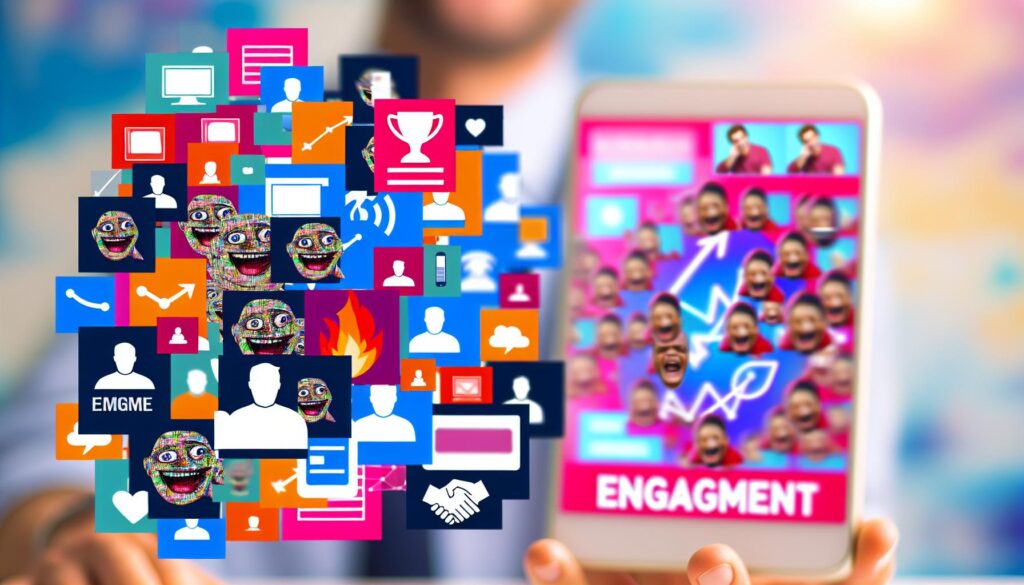
In the world of digital marketing, memes are emerging as powerful tools for engagement and brand building. We will explore how memes can be strategically incorporated into campaigns, their impact on the audience, and best practices for using this resource effectively and creatively.
What are memes and their relevance in digital culture?
Memes Memes are cultural units, generally composed of images, videos, or texts, that spread rapidly across the internet, assuming varied and adaptive forms according to their circulation among different groups and contexts. Although the concept of "meme" originates from the theories of biologist Richard Dawkins, in the book "The Selfish Gene" (1976), where he describes ideas, behaviors, and styles that spread culturally, digital memes have gained their own connotation with the advent of the internet, emerging as a language of their own in contemporary communication.
In the digital environment, memes have become cultural phenomena that not only reflect collective behavior and humor, but also shape people's perception and social interaction in virtual spaces. Their relevance is directly linked to the speed with which they are created and shared, exploiting the potential of virality to reach a wide audience in a short time. This virality is not only a result of repetition, but also of the ability of memes to adapt, be reinterpreted and remixed as they circulate, creating a dynamic of intertextuality and social identification.
Furthermore, memes serve a powerful communicative function because they condense complex messages into concise and easily digestible formats. They use an effective combination of visual and textual elements to capture attention and generate engagement. This visual-textual language is characterized by simplicity, humor, irony, and often an emotional charge that facilitates empathy and sharing among users.
Popular examples illustrate this phenomenon well: from the classic "Doge," with its image of a Shiba Inu dog accompanied by phrases in English labeled with distinct colors and fonts, to "Distracted Boyfriend," which uses a stock photograph to satirically allude to distractions and conflicting priorities. Another example is the "Expanding Brain" meme, which represents a series of evolutionary ideas from the simplest to the most complex, using illustrations that evoke the growth of knowledge through visual humor.
These examples not only demonstrate the meme's ability to synthesize multiple meanings in a single image, but also reveal the importance of hybrid language that combines text and image to broaden its reach and impact. The text, often in a simple and direct font, functions as a caption that contextualizes the image, allowing for different interpretations depending on the audience and the digital platform where the meme is shared.
In digital marketing, understanding this characteristic of memes – their adaptability and capacity for rapid collective appropriation – is fundamental for brands to connect authentically and spontaneously with their audiences, leveraging humor and collective identification to generate engagement and strengthen relationships in the digital sphere.
Integrating memes into digital marketing strategies
For brands to effectively incorporate memes into their digital marketing strategies, it's crucial to understand where and how this specific type of content can generate real engagement and strengthen their digital presence. Memes are versatile tools that, when used intelligently, can convey messages quickly, humorously, and empathetically, bringing the brand closer to its audience.
Ideal platforms for memes These are platforms where visual format and a culture of sharing are predominant. On Instagram, memes work well both in the feed and in Stories and Reels, allowing the brand to create attractive visual content with a high potential for virality. On Twitter, the platform's dynamism makes memes effective for quick comments on trends, current events, or even direct interactions with followers, helping to humanize the brand.
In turn, TikTok stands out for its ability to generate audiovisual memes, where music, sounds, and trends naturally interact with meme formats. On this platform, brands can leverage formats such as duets, challenges, and short videos that evoke memes, generating high potential to reach younger audiences connected to cultural and digital trends.
Align meme content with brand identity, tone, and target audience. This is an essential step to ensure the strategy doesn't seem disjointed or forced. A technology brand, for example, will likely adopt a more intelligent humor, geared towards a more technical audience, while a lifestyle brand might use more relaxed, humorous, and everyday memes.
To facilitate this analysis, we present a table that relates common types of memes to digital marketing objectives and practical examples of application:
| Meme Type | Marketing Objective | Examples and Practical Applications |
|---|---|---|
| Reaction meme (e.g. “Doge”, “Grumpy Cat”) | Create empathy and engagement quickly. | E-commerce companies are answering questions in a fun way, humanizing customer service. |
| Meme with cultural context (e.g., memes based on current events) | Increase real-time interaction and relevance. | Brands commenting on market trends or sporting events with humor. |
| Modified text meme (e.g., "Distracted Boyfriend," custom captions) | To convey a specific brand message in a creative way. | Promotional campaigns reinforcing the benefits or unique features of the product. |
| Audiovisual meme on TikTok (e.g., trends, dubbing) | Engagement and outreach with young audiences. | Games that involve the product in challenges and choreography. |
Furthermore, it is necessary to consider the timing Memes tend to have fleeting relevance; a brand that leverages a meme at its peak of popularity tends to be seen as trendy, while late adoption can have the opposite effect, creating a disconnect with the audience.
It is equally important to monitor the appropriateness of the content so that the meme does not cause negative interpretations or clash with the brand's values. Informal and relaxed language may attract patients of a young brand, but be inappropriate for more serious sectors, such as financial or healthcare services. Therefore, the tone should consistently follow the brand's verbal identity, even if humor is present in the memes.
Personalizing memes, adapting them to the specific language and context of the brand's target audience, helps build stronger bonds and make the brand stand out amidst the saturation of digital content.
Finally, the constant analysis of meme post performance — through metrics such as shares, comments, reach, and audience sentiment — allows marketing teams to adjust the use of memes based on what yields the best results, balancing between entertaining content and the promotion of brand values and products.
Benefits and challenges of using memes in marketing.
Memes in digital marketing they offer clear and measurable benefits which makes them powerful tools for modern campaigns. One of the main advantages is... increased engagement. Memes naturally stimulate interactivity because their fast-paced, visual, and humorous format invites audiences to share, comment, and react. In a content-saturated landscape, this engagement is crucial for expanding brands' organic reach without relying exclusively on high investments in paid media.
Furthermore, the strategic use of memes contributes to the humanizing the brand. When used authentically, memes bring communication closer to everyday language and popular humor, connecting brands with their consumers. This "less formal" form of communication helps build empathy, making brands more accessible and memorable. This is particularly important for brands that need to stand out in competitive markets and that deal directly with young and connected audiences.
Another key point is the viral potential offered by memes. Because they are easily replicable and adaptable, memes have a high capacity to spread rapidly on social media, often crossing geographical and cultural boundaries. This viral effect not only increases brand visibility but can also generate a significant impact on branding and positioning campaigns.
However, despite the obvious advantages, The challenges of using memes in digital marketing. These issues cannot be ignored. The greatest risk lies in the possibility of offensive or misinterpreted content, since memes often play with irony, stereotypes, and cultural references that can be sensitive for certain segments of the population. A failure in this aspect can generate negative repercussions and image crises for brands.
Audience saturation also presents an obstacle. The sheer volume of memes circulating on social media makes it harder for specific content to be truly relevant or impactful. Excessive repetition of formats and templates can lead to fatigue and rejection, requiring brands to constantly innovate and adjust their approach to maintain interest.
Furthermore, the The need for speed in creation and publication. Managing memes presents a significant operational challenge. Memes are often tied to specific contexts and moments, requiring marketing teams to be connected to trends in real time and able to quickly produce aligned content before the opportunity expires. This agility may demand flexible internal processes and an agile creative team.
To mitigate these risks, some strategies are essential:
- Rigorous monitoring of the cultural and social context.To avoid mistakes, it is vital that brands carefully evaluate the content of memes for sensitivity, potential controversial interpretations, and audience appropriateness.
- Clear definition of internal guidelines.Establishing parameters for the creation and approval of memes, aligned with the brand's personality and consumer expectations, helps prevent missteps.
- Testing in segmented groupsBefore releasing a meme to the general public, testing it within internal communities or test groups can offer insights into its impact and potential risks.
- Agile production with decentralized approval.To allow smaller, specialized teams to quickly create and validate memes while maintaining their temporal relevance.
- Balance between originality and familiarityUsing popular formats but adapted to the brand's own language avoids the feeling of generic content.
Examples successful These points are well illustrated by brands such as Netflix e Magazine Luiza They frequently use memes to connect with their audience and engage in informal dialogue, aligning their content with current trends and avoiding controversy. These actions generate huge engagement spikes and reinforce their youthful and trendy image.
On the other hand, some cases of failure These findings reinforce the need for caution. Campaigns that launched decontextualized, offensive memes, or those focused solely on trends, have already resulted in boycotts and loss of credibility. The speed of creation, if not regulated, has generated impulsive posts that have done more to harm the brand's reputation than to boost it.
Therefore, the use of memes in digital marketing can be extremely advantageous when combined with a conscious strategy that values authenticity, relevance, and respect for the audience. The balance between agile creativity and cultural responsibility is the way to get the most out of these tools without incurring the risks inherent in the dynamic environment of memes.
Case studies and best practices for meme campaigns
Several digital marketing campaigns have achieved great success by strategically using memes, demonstrating how creativity, timing, and cultural relevance are fundamental elements for the success of this format. A prime example is Netflix's campaign for the launch of the series. Bridgerton In 2020, by leveraging memes that compared the classic aesthetic of the series with modern and fun everyday situations, the brand managed to rapidly expand its organic reach, engaging a young and diverse audience. The user-generated content, combined with the quick adaptation by the social media team, consolidated the campaign on digital channels, showing that agile reaction and the use of current cultural trends can transform memes into powerful marketing tools.
Another notable case occurred with Nike in its 2021 Mother's Day campaign, when the company used memes to humanize the relationship between consumers and the brand. Nike leveraged the humor present in memes about motherhood and daily challenges, aligning emotional and fun messages in social media posts. The perfect timing, coinciding with the commemorative date, and the adaptation of the content to the cultural universe of the followers elevated the campaign to a level of genuine connection and wide repercussion. The intelligent use of memes as a vehicle for brand attributes reinforced the idea that these digital cultural manifestations, when well applied, can expand not only reach but also the emotional identity of the company.
In contrast, Pepsi's 2017 campaign, which attempted to replicate the success of memes without due cultural sensitivity, illustrates the pitfalls of applying this format. By using decontextualized images and situations, the brand was criticized and its reputation threatened, showing that a lack of authenticity and the meme's inappropriateness to the audience can have the opposite effect. This episode reinforces the need for careful analysis of the cultural context and a clear alignment between the meme, the brand message, and the target audience.
For marketing professionals who want to use memes effectively, some best practices are essential:
- Monitor trends in real time: Use tools such as Google Trends, Know Your Meme e Trendolizer to identify emerging memes and understand their cultural context.
- Align the language with the audience: Understand the demographic profile of your target audience and adapt the memes according to cultural references and humor styles that resonate with that audience.
- Speed in creation and publication: The right time to launch a meme can be short — tools like Buffer e Hootsuite They help in quickly scheduling posts to take advantage of peak trends.
- Maintaining authenticity and brand voice: Even when using humor and popular references, preserve the brand's tone and values to avoid confusing or disconnected messages.
- Try out different formats: Explore memes in different formats — images, short videos, GIFs — to see which ones generate the most engagement and go viral with your audience.
- Watch for signs of saturation: Measuring the impact of posts and identifying when a meme loses its appeal helps prevent audience fatigue and disinterest.
- Avoid offensive or sensitive content: Conduct thorough reviews to avoid violating ethical rules or platform policies, protecting the brand's reputation.
In addition to the tools mentioned, resources such as Imgflip Meme Generator for quick meme creation and Canvas Accessible design tools are useful for marketing teams that want to innovate quickly.
These examples and practices show that the use of memes in digital marketing goes far beyond simple humor: it's a strategy that, when based on cultural analysis, creativity, and precise timing, can generate significant engagement, increase brand recognition, and build deep emotional connections with the audience.
Conclusion
Memes represent a dynamic and effective tool in digital marketing, capable of significantly increasing engagement and emotional connection with the audience. However, their use requires care and strategy to avoid risks and maximize results. To enhance your campaigns, don't hesitate to rely on experts. Contact Thigor Agency to develop innovative and impactful digital marketing strategies.
 Portuguese
  Italian
  English