
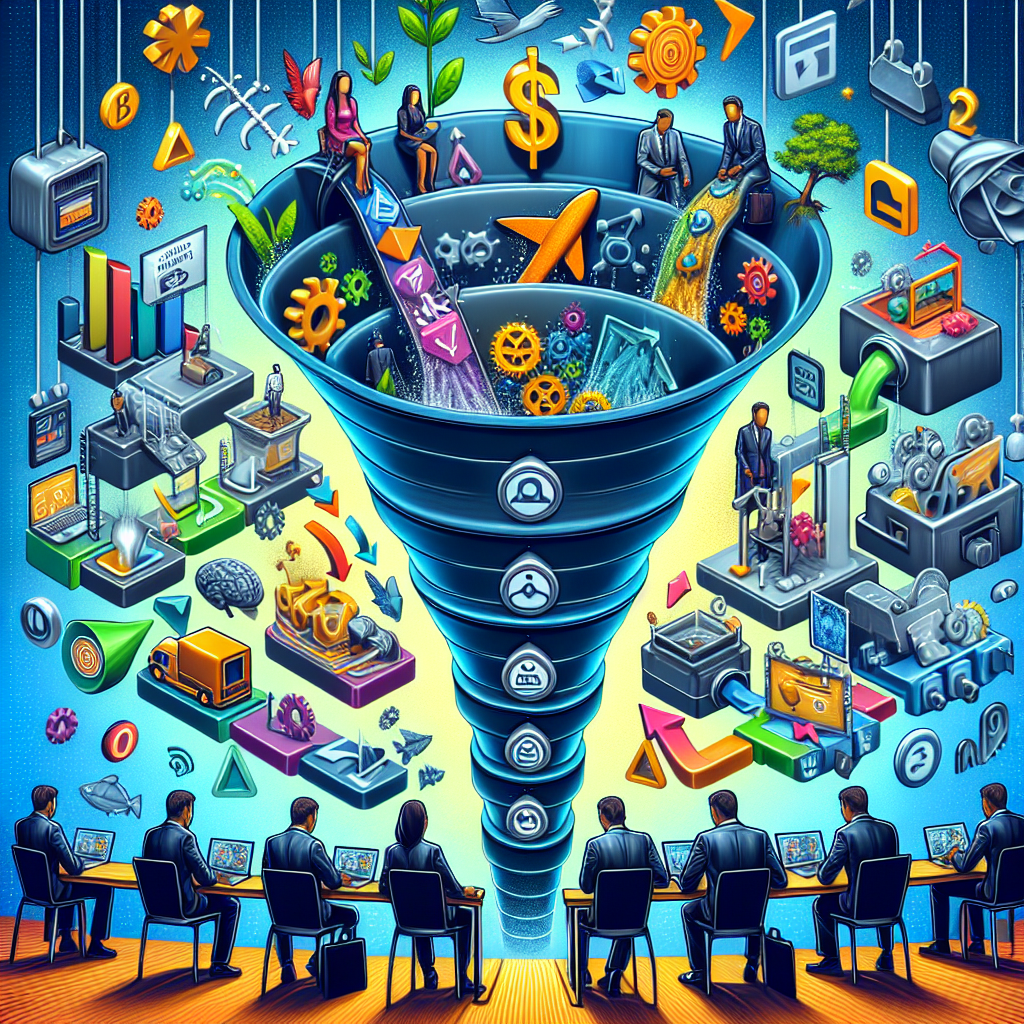
Sales Funnel in Digital Marketing: Strategies to Convert More and Better
The sales funnel is one of the most relevant concepts for anyone who wants to succeed in digital marketing. Understanding what a sales funnel is and how to apply it correctly can transform common strategies into highly profitable and intelligent campaigns. But how does this process work, and what are the fundamental stages to guide the customer to purchase?
What is a Sales Funnel?
In digital marketing, the sales funnel is a visual representation of the customer journey. It shows all the stages from the potential customer's first contact with your brand to the completion of the sale. The funnel analogy is used because, in fact, many visitors enter at the top, but only a portion of them will continue until they become buyers. This allows you to visualize the "filtering" of leads and optimize your approach at each stage of the process.
What are the main stages of the sales funnel?
The classic sales funnel is divided into three regions: top, middle, and bottom. Each of these areas requires different strategies and content to properly nurture the potential customer.
- Top of Funnel (Learning and Discovery): At this stage, the public is becoming aware of your brand. The goal is to attract visitors with broad content, such as blog posts, educational videos, or social media, generating recognition and sparking interest.
- Middle of the Funnel (Problem Recognition and Consideration): At this point, the audience already understands their problem and is looking for solutions. It's time to nurture these leads with more in-depth materials, such as eBooks, webinars, and solution comparisons, to demonstrate authority and build relationships.
- Bottom of the Funnel (Purchase Decision): Now, the lead is ready to make a decision. Offer social proof, success stories, product demonstrations, and special conditions to boost the final conversion. The sales team can play a more direct role here.
Why is the Sales Funnel Important in Digital Marketing?
The sales funnel guides your actions, allowing you to understand the stage each potential customer is at. This facilitates content personalization, ad segmentation, the creation of more efficient landing pages, and the automation of email campaigns. Companies that correctly apply the funnel are able to:
- Better lead qualification;
- Higher conversion rate;
- More satisfied and engaged customers;
- Detailed performance reports and analyses;
- Optimizing investments in digital marketing.
How to Build and Optimize Your Sales Funnel?
To have an efficient funnel, invest in marketing automation tools, measure each stage of the process, produce relevant content for all phases of the journey, and conduct constant testing to improve your approach and communication. Segment your leads, know your buyer persona well, and don't forget to analyze indicators such as... conversion rate e acquisition cost to understand the areas for improvement.
Conclusion
The sales funnel is fundamental to guiding your digital marketing strategy and maximizing results. Track the customer from the first contact, provide the right content at the right time, and continuously optimize your actions. In this way, any company can increase sales, build customer loyalty, and scale its business more securely in the digital environment.



 Portuguese
  Italian
  English