
The sales funnel is an essential tool in digital marketing for guiding potential customers from initial contact to purchase. This article explores each stage of the funnel, its strategies, and how to apply them to improve conversion and performance of your online business.
What is the Sales Funnel in Digital Marketing?
The concept of a sales funnel applied to digital marketing is fundamental to understanding how to transform audience interest into concrete actions that result in sales and customer loyalty. The funnel represents a visual model that describes the customer journey from the first contact with a brand to the completion of the purchase. This analogy helps organize the complex conversion process, facilitating strategic planning and the execution of marketing activities.
In the digital context, the sales funnel becomes even more relevant, as it allows you to map user behavior across different channels, such as social media, email marketing, blogs, paid ads, and institutional websites. Therefore, each stage of the funnel requires specific content and approaches to nurture leads, qualify them, and guide them to the point of purchase decision.
The importance of the sales funnel lies precisely in its ability to segment the audience according to the stage they are in, avoiding generic approaches that can be ineffective or even harmful. Furthermore, by understanding the phases and objectives of each one, it's possible to measure the performance of actions and optimize investment, focusing on the critical points that directly impact the conversion rate.
The sales funnel in digital marketing is generally composed of three main phases: top, middle, and bottom of the funnel. Each phase reflects a level of engagement and intent of the lead, and each corresponds to different objectives, specific actions, and expected results, as shown in the comparative table below:
| Funnel Stage | Objectives | Marketing Actions | Expected Results |
|---|---|---|---|
| Top of Funnel (ToFu) | To generate awareness and attract qualified traffic; to increase brand recognition. |
|
Increased number of visitors and initial leads; greater brand exposure. |
| Middle of the Funnel (MoFu) | Nurture the relationship with leads; educate them about their needs and available solutions. |
|
More qualified leads, greater engagement, and better preparation for the purchase decision. |
| Bottom of the Funnel (BoFu) | Convert leads into customers; stimulate the purchase decision. |
|
Closing sales, generating revenue, and initiating the customer loyalty process. |
This logical funnel structure allows for a clear visualization of where marketing efforts should be concentrated at each stage of the customer journey. For example, by identifying that many leads are stopping in the middle of the funnel, the team can review nurturing strategies to ensure better preparation for the purchase decision. Furthermore, the funnel facilitates the definition of specific metrics and the creation of reports that highlight progress from initial interest to actual acquisition.
In planning actions, the sales funnel serves as a map that guides content creation, the type of interaction, and the ideal time to invest in ads or remarketing campaigns. It also allows for the integration of different channels and platforms, ensuring a consistent experience appropriate to the stage the lead is in. This promotes more personalized communication, increasing the chances of conversion and improving the return on investment in digital marketing.
Therefore, by applying the concept of a sales funnel to digital marketing, companies can organize the prospecting, nurturing, and conversion process efficiently, making strategies clearer and results more assertive. This organization allows them to transform leads into loyal customers, building lasting and sustainable relationships in the digital environment.
Top of the Funnel: Attracting the Right Audience
At the top of the digital marketing sales funnel, the main focus is attracting visitors and potential customers, initiating the relationship and guiding them to the next stages of the funnel. To achieve this, strategies are used to ensure a consistent and qualified flow of traffic, preparing the ground for future conversions. Among the most effective tactics for this phase are content marketing, SEO, social media, and paid advertising, each with its specific and complementary role within the overall action plan.
Content marketing is the backbone of the top of the funnel. By creating relevant, educational materials aligned with the target audience's interests, it's possible to spark interest and attract qualified visitors. Examples of formats include blogs, ebooks, infographics, explainer videos, webinars, and podcasts. A well-structured content strategy not only increases brand visibility but also positions the company as an authority in the market, facilitating closer relationships with potential clients. For this approach to work effectively, it's essential that the topics address real user questions and needs, using clear and objective language.
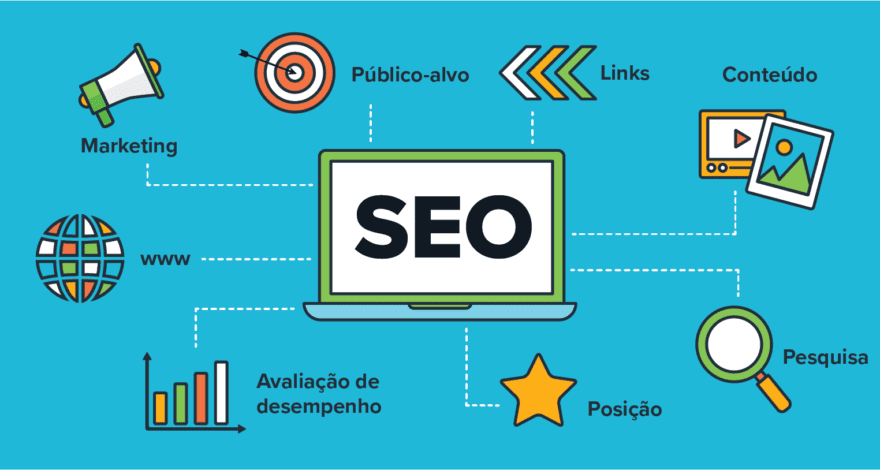
**SEO (Search Engine Optimization)** complements content marketing by optimizing these materials to be easily found by search engines, especially Google. Investing in SEO contributes to achieving more qualified organic traffic, as the audience searching for specific terms related to the product or service already demonstrates some interest in the solution offered. Recommended techniques include researching relevant keywords, producing original and optimized content, internal linking structure, attractive meta descriptions, and a good website browsing experience (speed, responsiveness, information architecture). A practical example would be creating a blog post that explicitly answers a frequently asked user question and contains the most searched keywords on that topic.
Social media represents another powerful tool for attracting visitors at the top of the funnel. Platforms like Instagram, Facebook, LinkedIn, TikTok, and Twitter allow for direct interaction with the audience, content sharing, and building a community around the brand. In addition to disseminating produced materials, these networks help generate engagement and boost brand recognition through organic and sponsored posts. However, to maximize results, it's important to adapt content to the format and behavior of each network, promoting both diversity and relevance. For example, a short, dynamic video on TikTok can complement informative posts and more comprehensive articles shared on LinkedIn.
Paid advertising (such as Google Ads, Facebook Ads, Instagram Ads, and LinkedIn Ads) is a strategic tool that accelerates the generation of qualified traffic, helping to reach the desired visitor profile with targeting based on interests, behaviors, location, and demographics. These ads work well to expand the reach of top-of-funnel content, inviting users to access blogs, download digital incentives, or learn about products and services. The advantage of advertising lies in the clear measurement of results and the continuous adjustment of campaigns to improve cost per click (CPC) and return on investment (ROI).
Among the recommended practices for this step are:
– To produce content aligned with the questions and needs of the audience, using accessible language and focusing on added value.
Invest in both technical and content SEO to ensure good indexing and ranking on Google.
– Adapt and diversify the content for each social network, respecting the format and behavior of the users.
– Use advanced targeting in paid campaigns to reach very specific audiences, avoiding wasted investment.
– Monitor metrics such as organic traffic, reach and engagement on social media, as well as click-through and conversion rates on ads.
Some **useful tools** to support these actions are:
– Google Analytics: to analyze visitor behavior and identify the most effective traffic sources.
SEMrush and Ahrefs: complete tools for keyword research, competitor analysis, and SEO auditing.
– Canva and Adobe Spark: for quick and professional creation of artwork and infographics for social media.
– Buffer, Hootsuite, and Later: platforms for planning and scheduling posts across multiple social media networks.
– Google Ads and Facebook Ads Manager: for creating, managing, and optimizing paid campaigns.
– Answer The Public: to discover questions and topics that the audience is searching for, fueling ideas for top-of-funnel content.
These integrated strategies help build a solid base of qualified visitors at the top of the funnel, facilitating advancement to the next stages, where the focus is on nurturing these leads and bringing them closer to a purchase decision. Consistent and aligned work between content, SEO, social media, and advertising is fundamental to ensuring the funnel functions efficiently, increasing the chances of conversion and sustainable business growth.
Middle of the Funnel: Nurturing Leads and Building Relationships
After attracting qualified visitors to the top of the funnel, it's crucial to move on to the lead nurturing stage, transforming initial interest into effective engagement and progression through the buyer's journey. Lead nurturing in the digital marketing sales funnel involves using carefully planned strategies to educate and maintain a connection with potential customers who have shown some level of interest but are not yet ready to make a purchase decision. Here, the role of relationship building is central: it's not enough to simply send generic messages; it's necessary to create a personalized experience that naturally guides the lead through the next stages of the funnel.
One of the most effective tools for this phase is email marketing, which allows you to segment leads with relevant content based on their interests, behaviors, and stage in the sales funnel. Through automation, it's possible to send message sequences that answer the audience's main questions and objections, as well as offer exclusive content that adds value and reinforces the brand's authority. This ongoing relationship helps build trust and position the company as a reliable reference, an essential condition for the lead to feel secure enough to move forward.
In addition to email marketing, the use of segmented content – such as ebooks, webinars, educational videos, and case studies – is vital for nurturing leads. These materials should be designed to educate the audience, showing how to solve their problems and the solutions the company offers, in order to awaken the desire and recognition of the need to buy. Another important resource is specific offers, which may include free trials, initial consultations, or exclusive discounts, always aligned with the lead's profile to avoid invasive or generic approaches.
Personalizing each lead's journey is the key differentiator that allows this stage of the funnel to move beyond simply sending mass messages and become a real relationship. Analyzing lead behavior at each touchpoint, such as clicking on email links, downloading materials, or participating in online events, enables constant adjustments to nurturing strategies, increasing the relevance of communications and boosting conversion effectiveness.
To illustrate, below is a list of content types highly recommended for this nurturing phase in the digital marketing sales funnel:
– **Practical guides and manuals** that deepen the lead's understanding of the solution or the problem they are facing.
– **Webinars and online workshops** that allow for direct interaction, clarification of doubts, and building authority.
– **Case studies and testimonials** that demonstrate real results obtained with the product or service, strengthening social proof.
– **Checklists and templates** that help the lead apply learned concepts in a practical and quick way.
– **Infographics and explanatory videos** that summarize complex information in a clear and visually appealing way.
– **Articles segmented by interest and stage of the funnel**, that answer specific questions and reinforce relevant benefits for each profile.
– **Exclusive offers and personalized calls to action**, such as free trials, demos, or consultations, that encourage conscious progression to the next stage.
At this stage, educating the potential client is key to ensuring they perceive real value in the presented proposal, understand that the solution is suitable for their needs, and feel confident enough to move to the middle of the funnel, where the focus shifts to considering and evaluating the offer. By transforming this phase into a personalized journey, the company not only maximizes its chances of conversion but also builds a lasting relationship based on trust and credibility.
Bottom of the Funnel: Convert and Retain Customers
In the digital marketing sales funnel, converting leads into concrete customers depends on applying techniques that make the purchase decision clear, secure, and motivating for the consumer. Among the most effective strategies is the creation of irresistible offers that go beyond simple discounts and add real value to the customer, such as exclusive bonuses, extended warranties, or differentiated payment terms. These offers must be presented at the right time, aligned with the needs developed in the previous stage of the funnel, so that the lead immediately perceives the benefit of moving forward with the purchase.
Another essential factor is the use of social proof. Comments, testimonials, case studies, and numbers that demonstrate the satisfaction of previous customers act as elements of credibility that reduce the natural insecurity surrounding an online purchase. Presenting this proof in varied and strategically positioned formats – such as short videos, website reviews, and social media mentions – maximizes the impact and generates absolute trust in the brand.
Calls to action should be clear, direct, and visible, avoiding ambiguities that could generate doubt or hesitation. Phrases like "Secure your spot," "Purchase with an exclusive discount," or "Try it free for 7 days" are examples that encourage an immediate response, and their effectiveness increases when combined with attractive design and privileged placement on pages or in emails, facilitating the lead's access to the next stage of the process.
Furthermore, personalized service, through intelligent chatbots, agile human assistance, or proactive support, makes all the difference in maximizing conversion. Demonstrating that the company is available to answer questions, offer specific guidance, and resolve objections breaks down barriers that prevent the purchase from being finalized. This personalized approach creates an important emotional bond, strengthening the perception of value and care, fundamental elements for a lead to become a customer.
After conversion, it's essential to focus on customer loyalty to transform the customer into a repeat buyer and, ideally, a brand advocate. Post-sales service should be an extension of the purchase experience, offering ongoing support, loyalty programs, exclusive content, and proactive offers based on purchase history. For example, sending satisfaction surveys with follow-up solutions for any problems demonstrates commitment and provides security for the customer.
Relationship marketing, in turn, strengthens this long-term bond with strategies that include sending newsletters with useful tips, invitations to exclusive events, and even personalized interactions on social media. Customer appreciation should not cease after the first purchase; on the contrary, it should transform into a constant presence that fosters trust and preference for the brand.
Summary table:
Recommended actions for conversion:
– Develop high value-added offers (bonuses, guarantees, strategic discounts)
– Submit authenticated social evidence (testimonials, case studies, evaluations)
– Include clear, visible, and urgent calls to action.
– Provide personalized and efficient service (chatbots, human support)
Recommended actions for customer loyalty:
– Conduct proactive after-sales follow-up (surveys, support, problem solving)
– Implement loyalty and rewards programs
– Produce exclusive content for recurring clients.
– Maintain ongoing relationships via email, social media, and exclusive events.
Conclusion
The sales funnel in digital marketing is fundamental for guiding the customer on a journey from initial interest to purchase and loyalty. With appropriate strategies for each stage, it's possible to increase conversion and business success. To maximize your results, contact Thigor Agency and discover how we can help your company grow.


 Portuguese
  Italian
  English